
Living in Dubai in 2025: Lifestyle, Cost of Living & What Expats Need to Know
Why People Move to Dubai in 2025
The composition of people moving to Dubai has evolved significantly. Beyond the traditional expat executive on a corporate relocation package, Dubai now attracts a much broader demographic: remote workers leveraging the Digital Nomad Visa, tech founders building their startups in DIFC or Dubai Silicon Oasis, wealth managers and private bankers serving the Gulf's HNWI population, hospitality professionals serving the booming tourism sector, and retirees seeking sunshine, safety, and a world-class healthcare system.
The common thread: Dubai offers a rare combination of global-city lifestyle with emerging-market economics. You earn and live at a globally competitive level — but without the tax burden, commute misery, or weather of most other world cities.
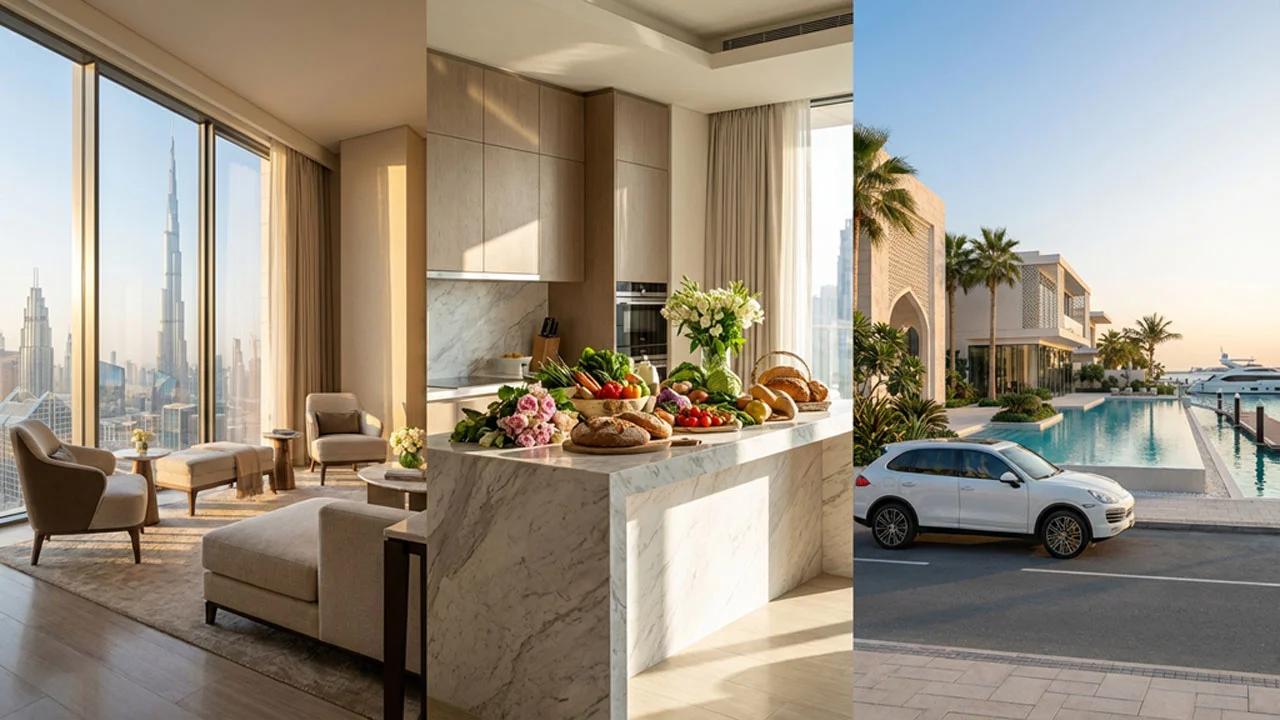
Cost of Living in Dubai 2025: A Realistic Breakdown
Dubai is an expensive city — but it's important to compare like with like. Versus London, Paris, or New York, Dubai's purchasing power advantage (driven by zero income tax) is enormous. A professional earning AED 50,000/month (approximately GBP 10,500) takes home every dirham of it in Dubai. In London, the same gross salary might net GBP 7,000 after income tax and National Insurance.
Here's a realistic mid-market lifestyle cost estimate for a couple in Dubai in 2025:
- Rent (2BR furnished apartment in Dubai Marina or Business Bay): AED 12,000–18,000/month
- Groceries: AED 2,000–3,500/month
- Utilities (DEWA — electricity and water): AED 600–1,200/month
- Dining out (2x per week at mid-range restaurants): AED 2,500–4,000/month
- Car ownership (mid-range financed): AED 1,800–2,500/month payment + fuel + insurance
- Private healthcare insurance (comprehensive couple's plan): AED 8,000–18,000/year
- International school (one child): AED 45,000–95,000/year depending on school and year group
Total estimated monthly outgoings for a comfortable mid-market lifestyle (couple, no children): AED 22,000–35,000/month. High but manageable for professional salaries — and dramatically more comfortable than equivalent spending in London or Sydney once tax differences are factored in.
The Dubai Lifestyle: What Makes It Unique
Weather: Dubai has two seasons that matter to most residents — the perfect season (October–April, 22–32°C, sunny and low humidity) and the hot season (May–September, 38–45°C). The hot months are when residents use their air-conditioned malls, indoor attractions, and pool time aggressively — and when flights to Europe for summer holidays are taken. Most long-term residents plan their lives around this rhythm comfortably.
Dining and Nightlife: Dubai has the most diverse restaurant scene of any city in the Middle East. From Michelin-starred chefs (Jean Imbert, Reif Othman, Heston Blumenthal) to authentic street food from 200+ global cuisines, the choice is extraordinary. Dubai's brunch culture — a multi-hour Friday tradition at hotel restaurants across the city — is a social institution that visitors and residents alike experience and love.
Outdoor and Beach Lifestyle: During the perfect season, Dubai's beach clubs, waterparks, desert adventures, and outdoor dining are unbeatable. JBR Beach, Kite Beach, and La Mer are free public beaches; Nikki Beach, Zero Gravity, and Cali Beach Club offer premium paid beach experiences. Desert safaris, dune bashing, wadi hiking in Hatta, and watersports on the creek fill the weekends of active residents.
Safety: Dubai is consistently rated one of the world's safest cities. Crime rates are among the lowest globally, the rule of law is consistently enforced, and the social fabric — while multicultural — is respectful and orderly. Families with young children consistently cite safety as one of the primary reasons they chose Dubai over other global cities.
"I moved from London five years ago expecting a temporary assignment. I'm still here. The lifestyle, the weather, the community, and quite honestly the financial advantage — once you've lived it, London just doesn't make sense anymore."