Off-Plan Property in Dubai: The 2025 Ultimate Buyer's Guide
What Is Off-Plan Property and Why Does Dubai Dominate This Market?
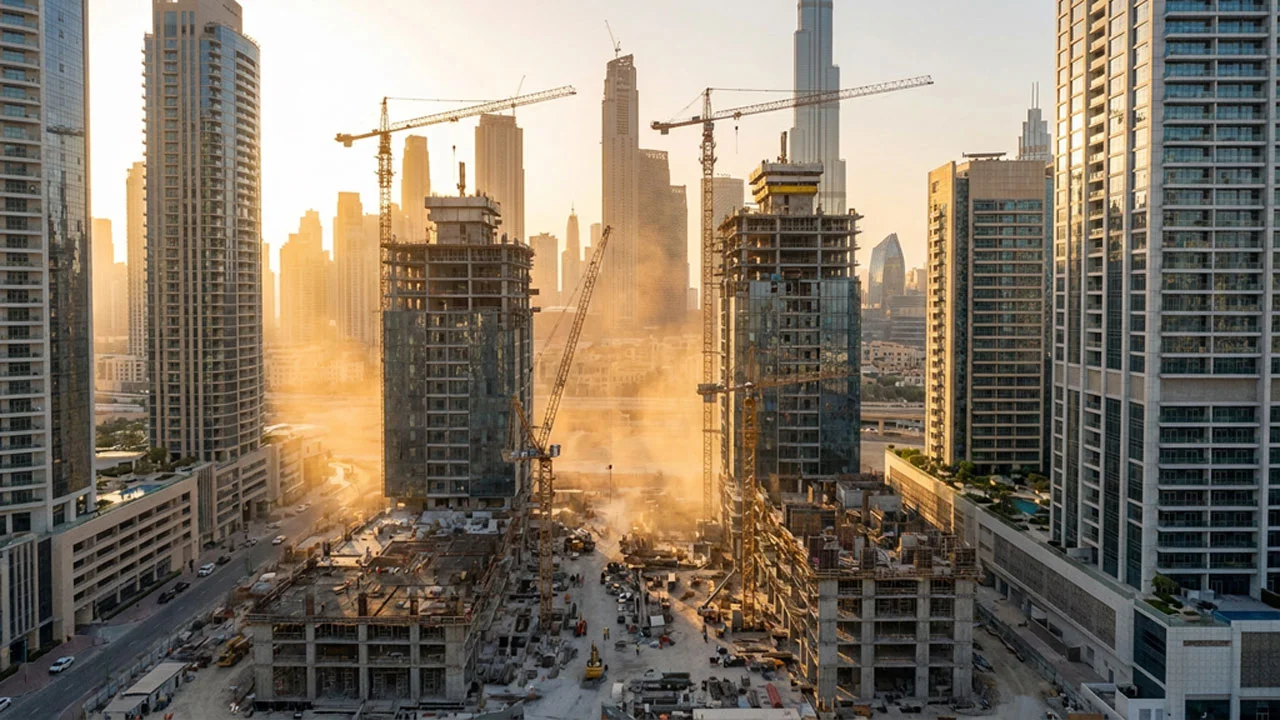
Off-plan property refers to real estate purchased directly from a developer before construction is complete — sometimes before a single foundation has been poured. The buyer commits to a purchase price today and takes ownership when the project is delivered, which can be 2–4 years away. In exchange for this forward commitment, developers offer prices that are typically 15–30% below what comparable completed units command in the secondary market.
Dubai has cultivated one of the world's most sophisticated off-plan ecosystems. The Real Estate Regulatory Authority (RERA) mandates that developers register all off-plan projects with the Dubai Land Department (DLD) and hold buyer payments in escrow accounts, which are only released against verified construction milestones. This regulatory framework — absent in many other emerging markets — makes Dubai off-plan relatively safe compared to global peers.
How Off-Plan Payment Plans Work in Dubai (2025)
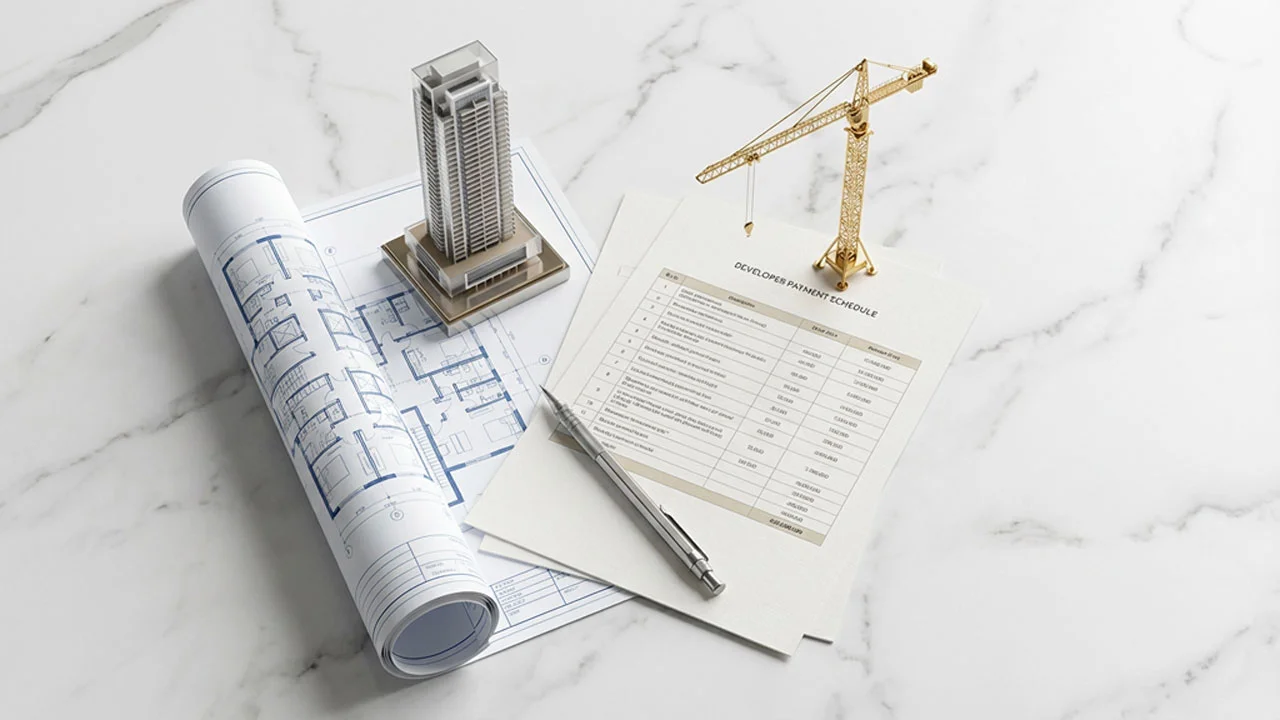
The payment plan is the core financial engine of off-plan investing. Developers structure payments across the construction timeline, meaning you pay in instalments rather than upfront. Common structures in 2025 include:
- 60/40 Plan: Pay 60% during construction in milestone-linked instalments, 40% upon handover. The most common structure from major developers.
- 80/20 Plan: 80% during construction, 20% on handover. Lower handover payment but more cash tied up during build.
- 1% Monthly Plans: Some developers offer 1% of total price per month after a down payment. Popular for investors managing cashflow.
- Post-Handover Plans: The most attractive for investors — you make a down payment, pay some during construction, and then continue paying instalments for 2–5 years AFTER receiving the keys. This allows you to rent out the property and use rental income to service remaining payments.
In 2025, post-handover payment plans are available from developers including DAMAC, Sobha, Azizi, and Select Group. These deals are particularly attractive for investors who want to generate income from day one of handover without completing the full payment upfront.
Top Off-Plan Projects in Dubai Worth Watching in 2025
The Dubai off-plan market in 2025 is rich with options, but quality varies. Here are the categories and developers leading the market:
- Emaar Properties: The gold standard. Projects like Dubai Creek Harbour, Emaar Beachfront, and The Valley continue to sell out rapidly. Emaar's reputation for on-time delivery and quality finish is unmatched.
- DAMAC Properties: Known for luxury branding partnerships (Cavalli, Versace, Trump). DAMAC Islands and DAMAC Lagoons have been among 2025's fastest-moving projects.
- Sobha Realty: Premium quality with an international developer reputation. Sobha Hartland II and Sobha SeaHaven are flagship 2025 offerings.
- Nakheel: The Palm Jebel Ali re-launch is the most talked-about mega-development of 2025. Early investors from Phase 1 launches already report significant on-paper gains.
- Binghatti: Aggressive delivery timelines and competitive pricing have made Binghatti a favourite for investors seeking quick flips and early rental income.
Risks of Off-Plan Investment and How to Mitigate Them
Off-plan investing is not without risk. Understanding these risks is essential for any informed buyer:
- Delivery delays: The most common risk. Always verify the developer's track record. DLD's property portal allows you to check completion rates of previous projects.
- Market correction risk: If the market softens significantly between purchase and handover, your property may be worth less than you paid. This risk is mitigated by buying from reputable developers in high-demand locations.
- Design changes: Minor spec changes can occur between the sales brochure and delivered unit. Ensure your SPA (Sales and Purchase Agreement) specifies finishing standards.
- Project cancellation: Rare but possible with smaller developers. RERA's escrow system provides some protection, but recovery can take years. Stick with tier-1 developers to minimise this risk entirely.
The golden rule of off-plan: buy from developers who have delivered before.
"Off-plan in Dubai is not speculation — it is informed early-stage investing in a market with transparent regulation, proven developers, and one of the world's most compelling long-run demand stories."